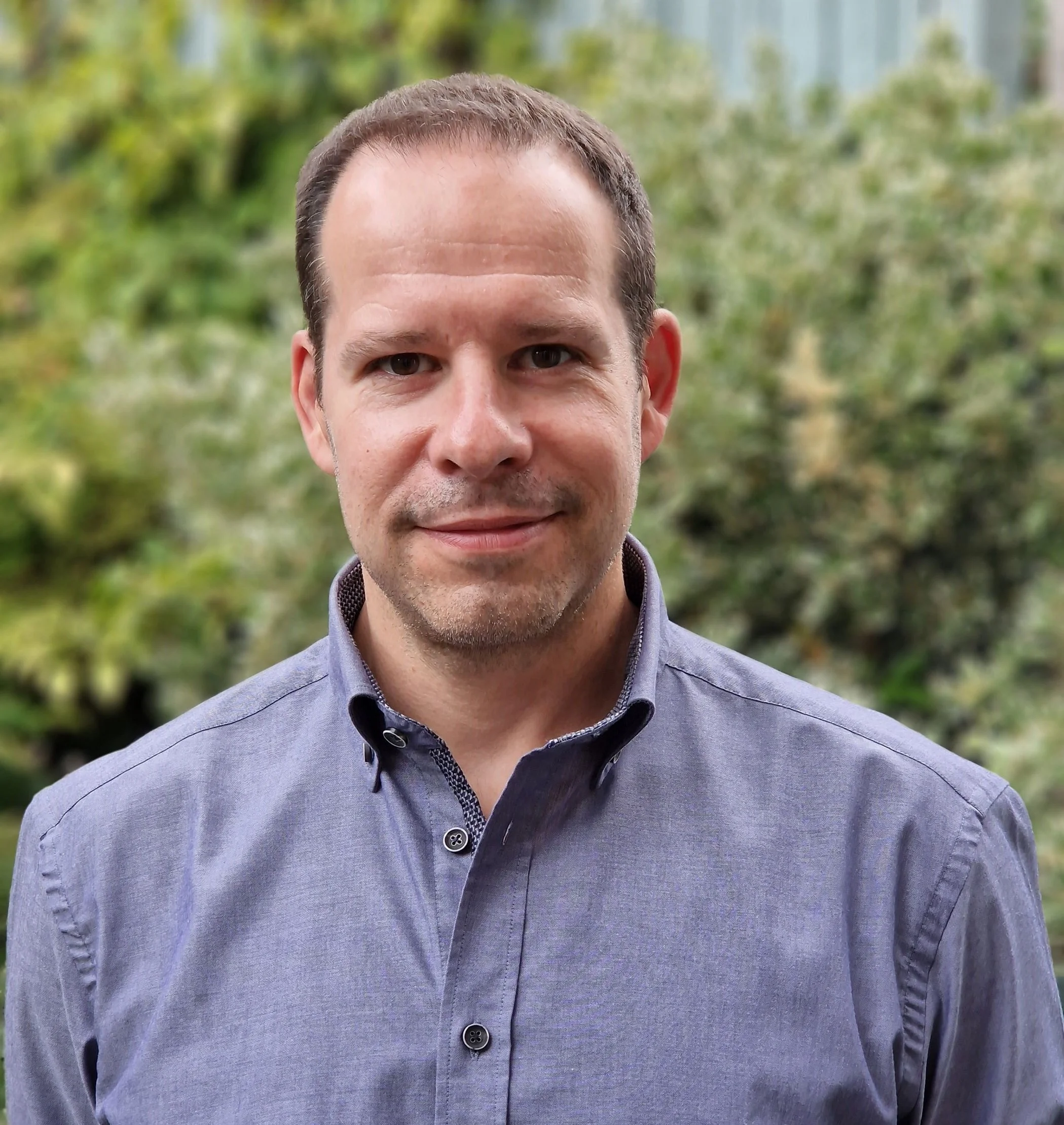
I am a Counselling Psychologist working with adults in London and online.
Alongside my clinical work, I have spent many years training and supervising psychologists and psychotherapists, including at doctoral level. This experience has shaped the way I think about therapeutic work — supporting a careful and in-depth understanding of the difficulties people bring.
I have been working psychotherapeutically since 1999 and in private practice since 2006. Over these years of clinical work, I have spent time sitting with people as they talk — often for the first time — about experiences that shaped them long before they had language for them.
I have learned that meaningful change rarely comes from quick solutions, but from feeling understood. My work is not organised around symptom control or immediate solutions, but around creating the conditions in which a deeper understanding can develop, allowing something new to emerge.
In addition to my clinical training and experience, I bring a genuine interest in how people make sense of their lives — and how creating space for reflection can help them relate to themselves with greater clarity, less self-criticism, and more emotional flexibility. In time, this can support not only relief from distress, but also personal growth, resilience, and a stronger sense of wellbeing.
Professional Background and Experience
My work has included roles within the NHS, private practice, and academic settings, involving both clinical work and teaching.
I have also been involved in training and supervising counselling psychologists, psychotherapists, and counsellors for over 15 years. I am an established trainer and supervisor and have held senior academic and leadership roles within higher education.
Professional Registrations
Counselling Psychologist (HCPC registered)
Chartered Psychologist and Associate Fellow (BPS)
Senior Practitioner Member, Register of Psychologists Specialising in Psychotherapy (ROPSIP)
Registered Supervisor, BPS Register of Applied Psychology Practice Supervisors (RAPPS)
Full Member, Division of Counselling Psychology (BPS)
How Therapy Works With Me
Therapy can become a place where you have more room to slow down, reflect, and begin to develop a more supportive relationship with yourself. From there, change and growth can unfold at a more sustainable pace.
In our work together, we take time to notice patterns — in thoughts, emotions, relationships, and ways of coping — and gently explore where they may have come from and how they are affecting you now.
Some people arrive wanting tools or strategies; others find it difficult to talk about feelings at all. I work comfortably with both. We don’t rush emotional experience, and we don’t force insight before it is ready.
While many people come to therapy hoping to feel better, my work is not primarily organised around symptom reduction or relief that is not grounded in a fuller understanding of what is happening. Rather than seeing symptoms as problems to eliminate, we approach them as meaningful signals — something we can begin to understand within the context of your wider experience.

Over time, attention often turns to familiar ways of responding that once made sense, and to how earlier relationships and experiences may have shaped them. As this becomes clearer, there is often more space for choice — a loosening of reactions that once felt fixed — and the beginnings of a kinder, more grounded relationship with yourself.
As emotional processes come into focus in this way, distress often begins to change in its own time — not because it has been pushed away, but because it is no longer needed in the same way. Change tends to unfold gradually through this process, rather than through effort or control.
For those who find it helpful to have some orientation:
My work is integrative and formulation-led, grounded in a relational way of understanding people and their lives. I draw from different psychological traditions — including relational, psychodynamic, and humanistic perspectives — and integrate them in a way that fits you, rather than following a fixed method or manual.